




Are Drywall Screws Waterproof?
No, standard drywall screws are not waterproof. They resist basic humidity indoors, but rust quickly when exposed to moisture or outdoor conditions.
TRUSUS construction insight: corrosion begins where system thinking ends.
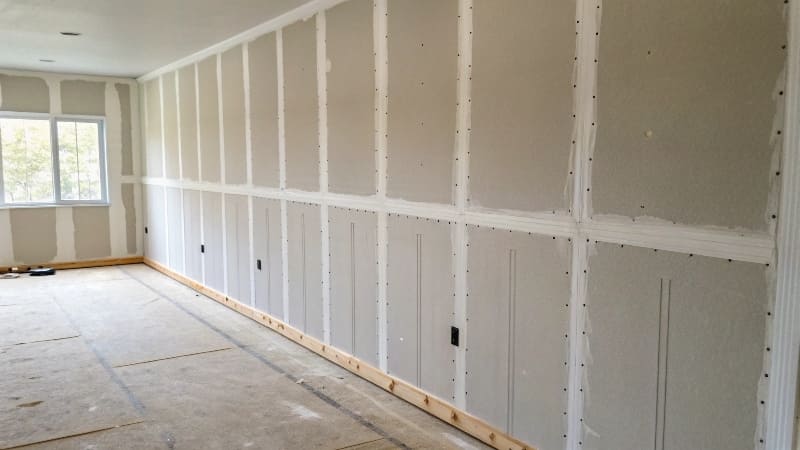
Drywall screws have a phosphate coating for indoor protection only. For bathrooms, basements, or humid zones, zinc‑plated or epoxy‑coated screws are essential to prevent rust and staining through the gypsum surface.
Can Drywall Screws Get Wet?
Yes, they can—and they will corrode when exposed to water or humidity. Wet drywall screws can stain paint, expand rust, and weaken the board’s holding power.
TRUSUS field insight: a single wet screw can ruin a wall’s finish if left unchecked.
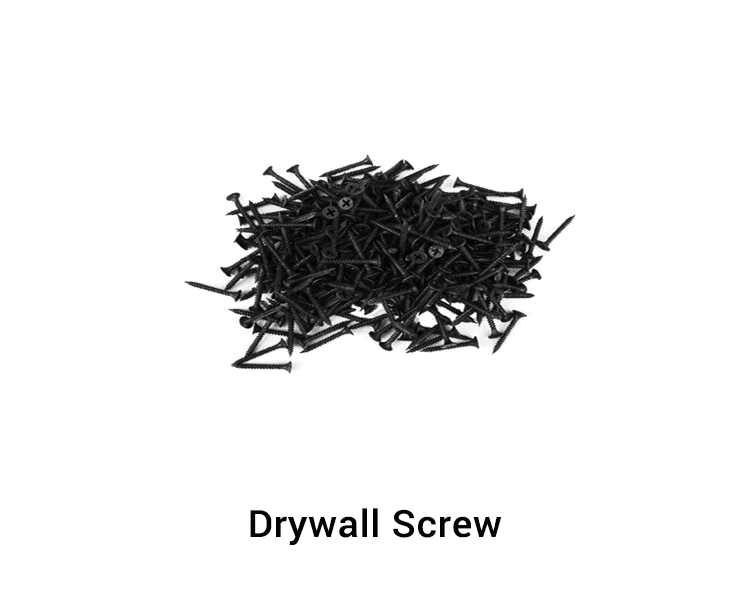
TRUSUS Screw Moisture Reaction Table
| Environment | Screw Type | Risk Level | Recommendation |
|---|---|---|---|
| Normal indoor | Standard phosphate | Low | Maintain dry interior |
| Bathroom or kitchen | Zinc‑plated | Medium | Add vapor barrier |
| Outdoor or semi‑exposed | Epoxy‑coated or stainless | High | Use exterior‑grade board |
| Leaking or flooded areas | Any | Critical | Replace both screws and drywall |
I remember a customer who repainted an entire ceiling after yellow stains appeared near joints. The problem wasn’t the paint—it was the hidden screws, slowly changing color under trapped moisture.
Will Drywall Screws Hold Up Outside?
Not standard ones. Outdoor conditions need corrosion‑resistant fasteners, such as stainless or coated screws. Unprotected drywall screws rust, expand, and cause delamination in exterior assemblies.
TRUSUS exterior insight: outdoor durability depends on both screw quality and system design.
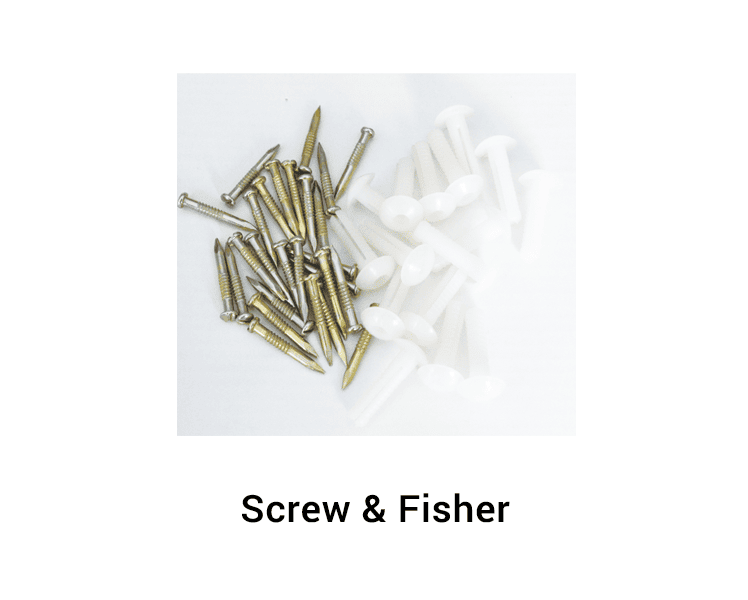
Exterior Fastener Comparison
| Screw Type | Environment Use | Durability | Maintenance |
|---|---|---|---|
| Black phosphate drywall screw | Interior only | Short‑term | Replace if corroded |
| Zinc‑plated drywall screw | Damp interiors | Moderate | Inspect annually |
| Stainless steel screw | Exterior / coastal | Long‑term | Minimal |
| Epoxy‑coated screw | Outdoor walls | Long‑term | Periodic visual checks |
I once worked on a small exterior wall renovation where a contractor used normal drywall screws. After one rainy week, rust streaks appeared through the façade paint. That day proved again: using the right system is cheaper than repairing mistakes.
Can You Treat Mold Without Removing Drywall?
Surface mold can be cleaned temporarily, but underlying growth often hides inside layers. True mold control requires removing the affected section and addressing moisture sources.
TRUSUS health insight: mold is not a stain—it’s a symptom of trapped humidity.

Mold Management Steps
| Step | Action | Purpose | Tools |
|---|---|---|---|
| 1 | Identify moisture source | Stop recurring dampness | Moisture meter |
| 2 | Isolate and ventilate area | Protect surroundings | Fans and seals |
| 3 | Remove affected drywall | Eliminate deep mold | Safety gear |
| 4 | Apply anti‑mold treatment | Kill spores | Disinfectant |
| 5 | Reinstall with proper materials | Prevent future growth | Mold‑resistant board and coated screws |
A homeowner once called me about recurring black spots behind new paint. The issue wasn’t mold returning—it was the untreated drywall behind it. Mold treatment starts where ventilation and material choice meet.
Conclusion
At TRUSUS, I see durability not as one feature but as coordination. Waterproofing begins at design, where screws, boards, and barriers unite into one continuous defense.
