




What Causes Drywall Tape to Fail?
Drywall tape fails when the joint system loses balance—wrong compound, poor bonding, or environmental moisture offset the designed performance. Tape issues are not random; they’re signs of system breakdown.
TRUSUS system insight: tape failure is never a single‑point problem—it’s system imbalance.
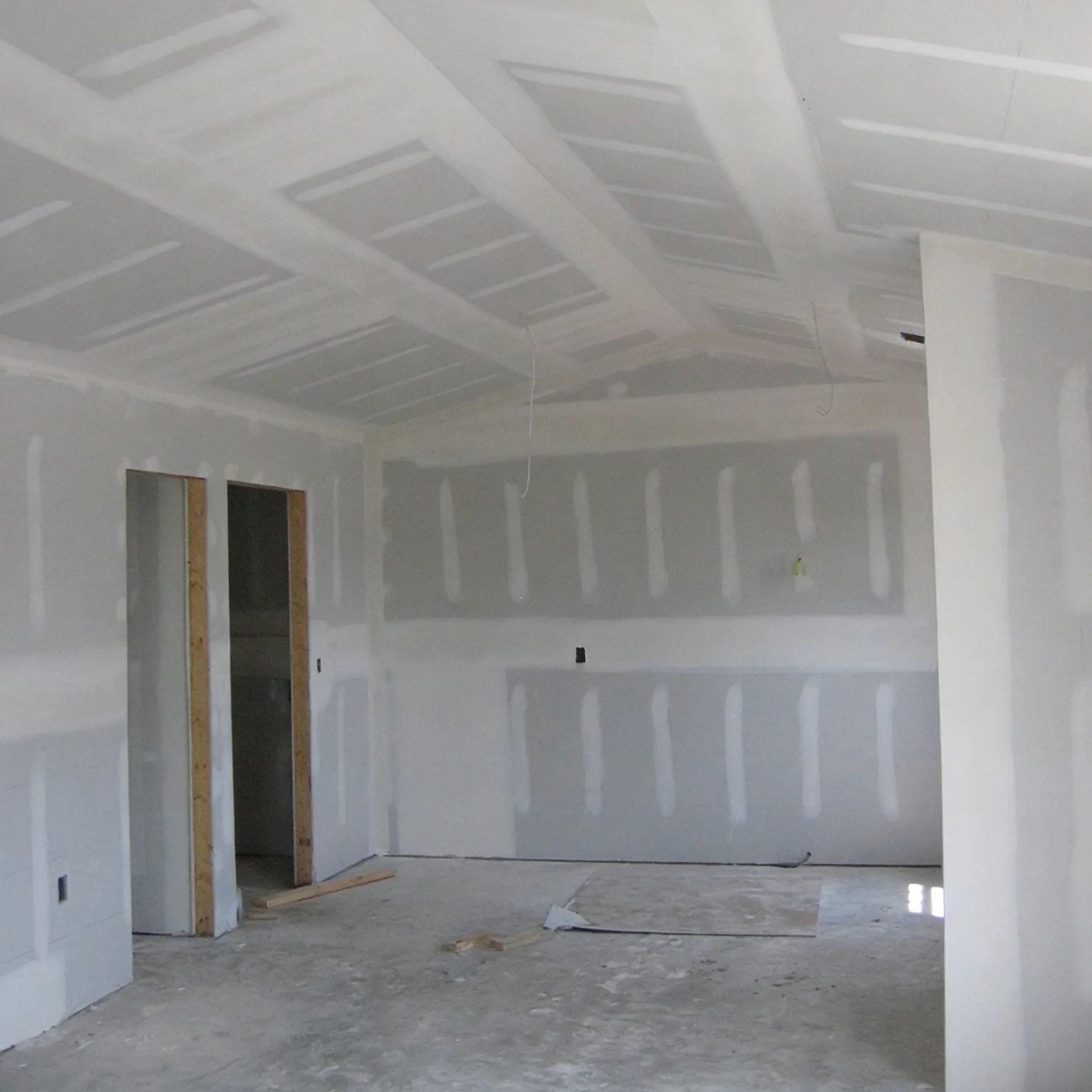
Tape detaches when compound adhesion weakens due to high humidity, temperature shifts, or framing movement. Each factor interacts with others; once balance breaks, visible problems appear.
Why Is My Drywall Tape Lifting?
Tape lifts when the compound dries before bonding, or when joints absorb moisture unevenly during installation. Framing stress and temperature changes later worsen the separation.
TRUSUS site insight: lifting tape is the sound of a system asking for control.
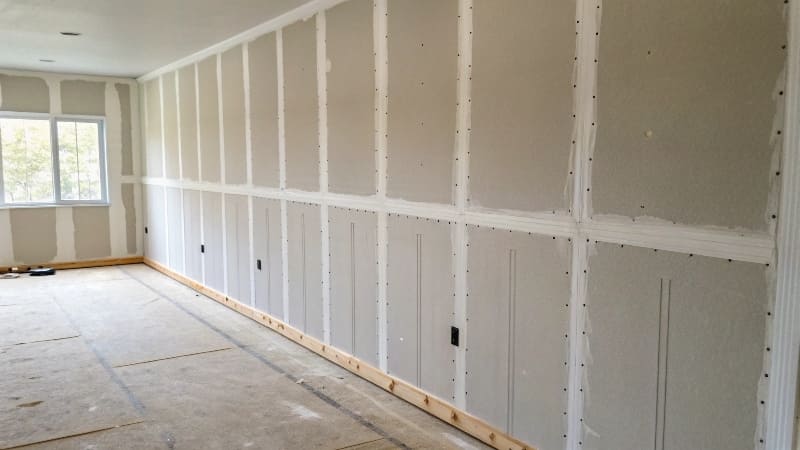
Tape Failure Matrix
| Cause | Description | Prevention |
|---|---|---|
| Rapid Drying | Compound set too fast, tape not embedded | Maintain stable humidity |
| Weak Adhesion | Used wrong compound type | Use manufacturer‑approved joint compound |
| Substrate Movement | Framing shrinkage or expansion | Use control joints and quality framing |
| Moisture Exposure | Insufficient protection in damp zones | Apply primer and sealants |
I often find lifting problems trace back to improper sequencing—rushing taping before the framing and environment stabilize.
What Are Common Drywall Taping Mistakes?
Common mistakes include using non‑system compounds, skipping embedded coats, poor mixing, and ignoring environmental control. Each shortcut breaks the system’s performance link between board, tape, and compound.
TRUSUS workmanship insight: tape success depends on patience with process, not the speed of finish.
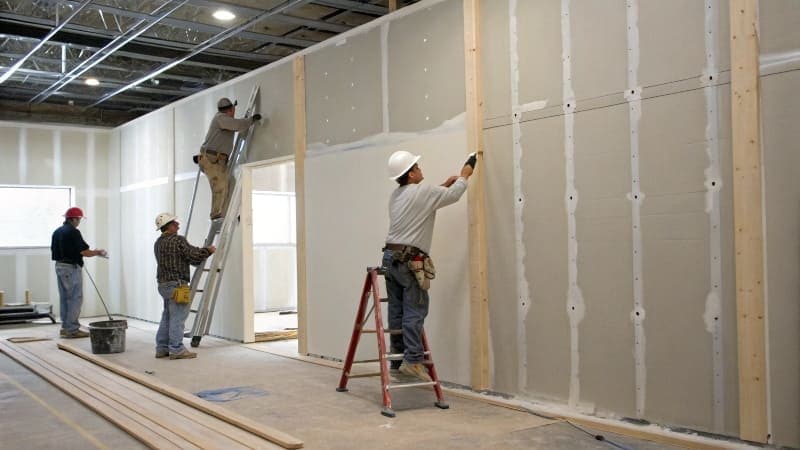
Common Mistake Guide
| Mistake | Result | Correct Practice |
|---|---|---|
| Over‑thick compound | Cracking and uneven finish | Apply thin even layers |
| No tape at joints | Crack lines visible | Always embed tape |
| Dust left on boards | Adhesion loss | Clean and prime surfaces |
| Wrong drying time | Blistering or air pockets | Allow full curing between coats |
| Poor mixing | Lumps and weak bond | Mix compound completely |
Whenever I visit a job site, I remind teams: every coat tells a story. If the compound and air don’t cooperate, failure follows.
How Do I Know If My Gypsum Board Is Bad?
Bad gypsum board shows core softening, paper delamination, or structural weakness when fastened. Surface irregularities alone don’t mean the board is defective—it’s about performance, not appearance.
TRUSUS quality insight: a board’s strength lives inside, not on its face.
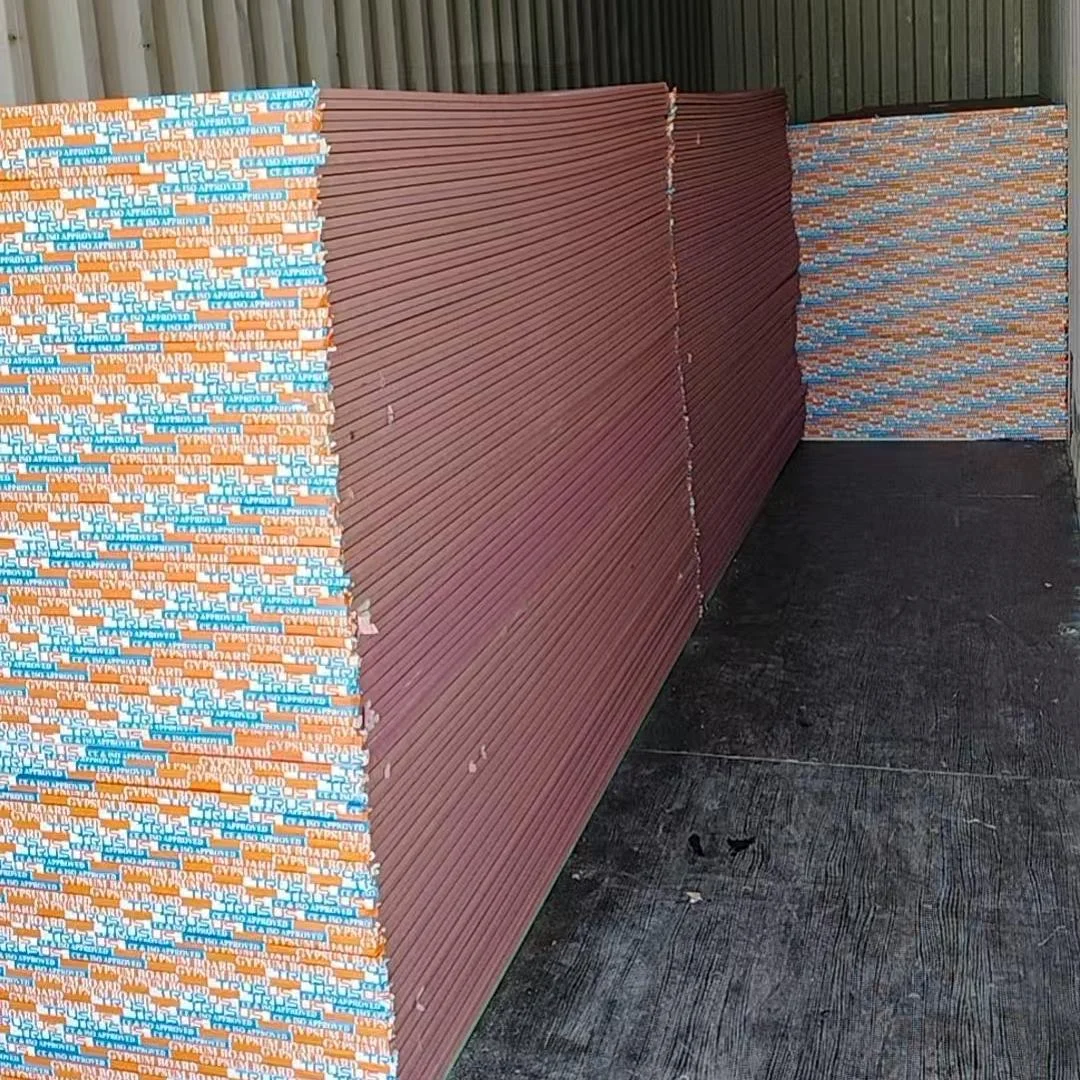
Gypsum Board Inspection Basics
| Checkpoint | What to Look For | What It Means |
|---|---|---|
| Surface Paper | Smooth, well‑bonded | Normal |
| Edge Hardness | Firm when pressed | Stable |
| Core | Uniform, dry texture | Reliable |
| Moisture Damage | Soft, powdering | Replace |
| Screw Holding Test | Tight fit, no crumble | Good structural density |
I judge a panel not by its surface, but by how it holds a screw and stays stable under humidity changes.
Conclusion
At TRUSUS, I see every crack and lifted tape not as failure, but as feedback. Drywall perfection emerges when every layer—the board, tape, joint compound, and environment—works in one system.
