




What is the difference between drywall and plasterboard?
Sometimes construction terms sound confusing. If you’ve ever heard “plasterboard” and “drywall” used interchangeably, you might be wondering if they are the same thing or completely different products.
Drywall and plasterboard1 are the same product. In the US, it’s called drywall. In the UK, Australia, and some other countries, the same product is usually called plasterboard.

If you work in the construction industry, you know how one word can change meaning depending on where you are. I have seen this first-hand when discussing projects with architects in the UK versus contractors in the US. The difference is not in the material itself, but in the terminology shaped by regional markets, manufacturing plants, and cultural habit.
What is the American term for plasterboard?
We often hit a language barrier even when speaking the same language. If you say “plasterboard” in America, most contractors might pause for a moment.
In the United States, plasterboard is simply called drywall2, or sometimes sheetrock (which is actually a brand name).
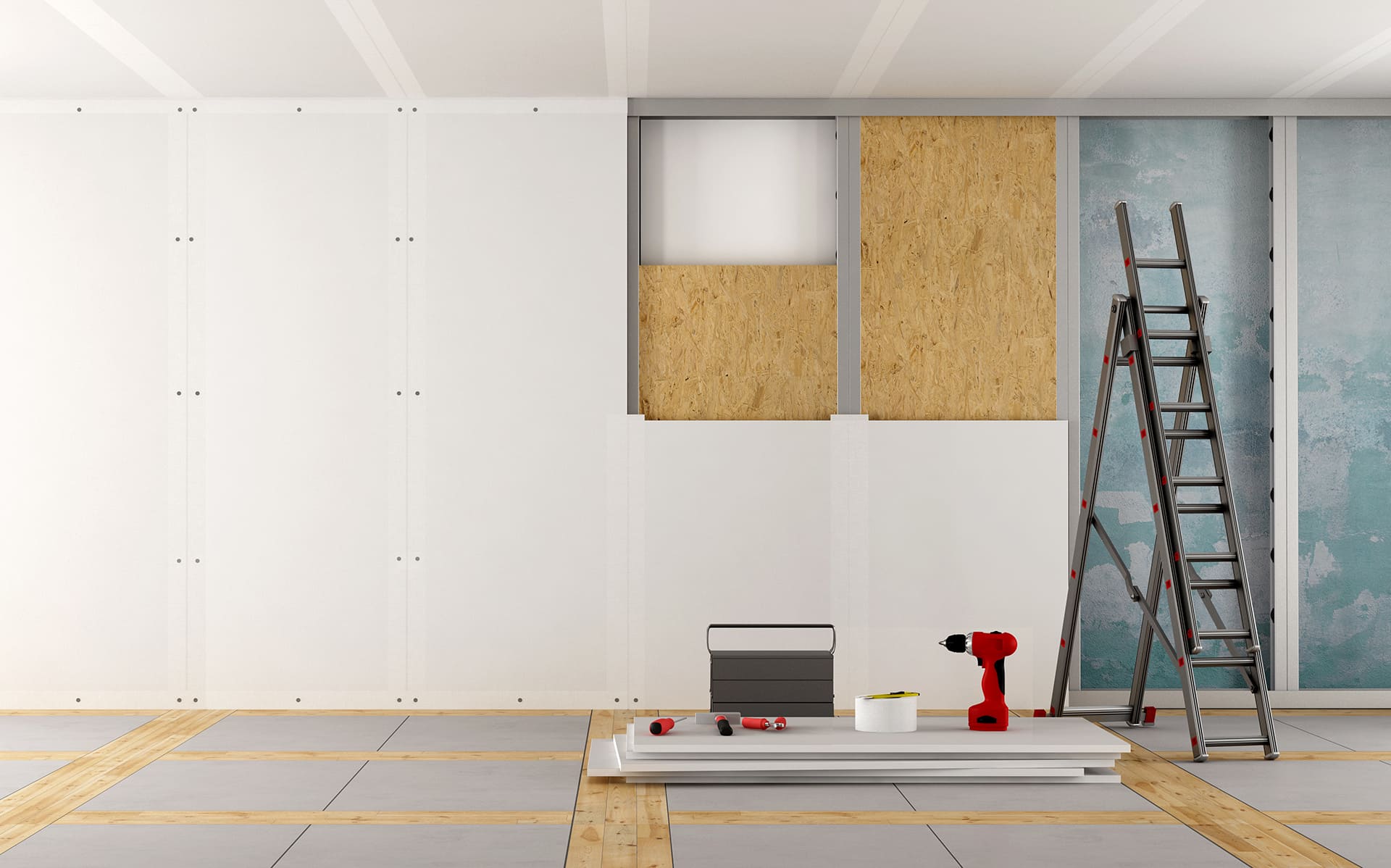
I remember visiting a factory in Shandong, one of China’s major gypsum board hubs, and explaining to an American client how the boards produced there were exactly what they use back home. They just called them drywall. The same pressed gypsum core, the same paper facing, and the same thickness options. The distinction is purely linguistic. But that difference matters when ordering material internationally, because distributors often list products under the local term even when they are globally standardized.
| Country/Region | Common Term | Alternate Term | Notes |
|---|---|---|---|
| USA | Drywall | Sheetrock (brand) | “Sheetrock” often used casually but is trademark |
| UK | Plasterboard | Gypsum board | Sometimes “board” instead of “sheet” |
| Australia | Plasterboard | Gyprock (brand) | Brand name often replaces generic term |
| China | Gypsum board | Paper-faced board | Manufacturing leaders are BNBM, Taishan |
Understanding these naming differences avoids confusion when sourcing material or sending specifications. If you don’t use the right term for the region, suppliers may think you are asking for a totally different product.
What is plasterboard used for?
Even if you know the name, the next thing is understanding its uses. I always explain to clients that gypsum board is a core material in modern construction.
Plasterboard is used for creating interior walls and ceilings, providing a smooth, paint-ready surface quickly and cost-effectively.
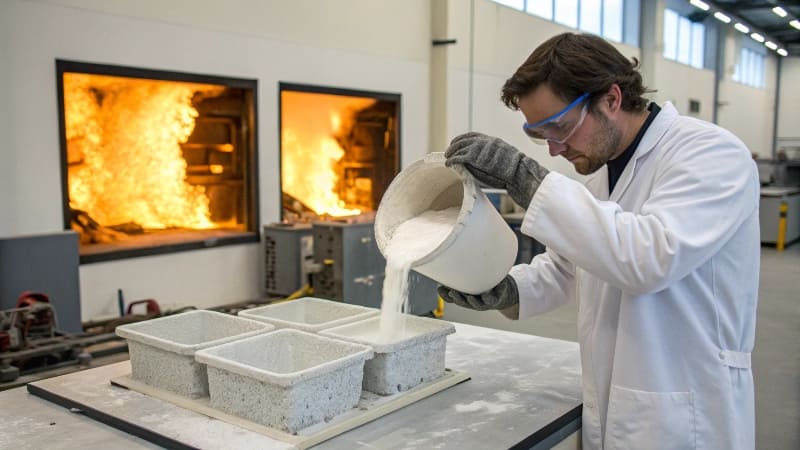
From my years working around building sites, plasterboard remains the fastest way to finish a space. Back when I started in a factory, we shipped boards to both residential and commercial builders. They used them for partition walls, ceiling linings, and often as substrate for decorative finishes. Compared to old wet plaster, plasterboard is lightweight, easy to cut, and faster to install. That speed alone changed the way builders approach timelines. Add options like moisture-resistant or fire-rated boards, and it becomes clear why nearly all modern projects use it in some form.
| Type of Plasterboard | Primary Use | Key Benefit |
|---|---|---|
| Standard Board | General walls and ceilings | Cost-effective, quick install |
| Moisture-Resistant Board | Bathrooms, kitchens | Resists moisture and mold |
| Fire-Rated Board | Fire separation walls and ceilings | Improves fire safety |
| Soundproof Board | Offices, apartments | Reduces noise transfer |
Builders know that choosing the right board type can make or break compliance with codes and improve the comfort of a building’s occupants.
How do I know if my wall is plasterboard?
For someone who is not in construction, identifying wall material can seem tricky. But there are some simple ways to check.
To identify plasterboard, tap the wall; drywall sounds hollow and feels softer than solid plaster or brick, and small test holes reveal a paper-covered gypsum core.
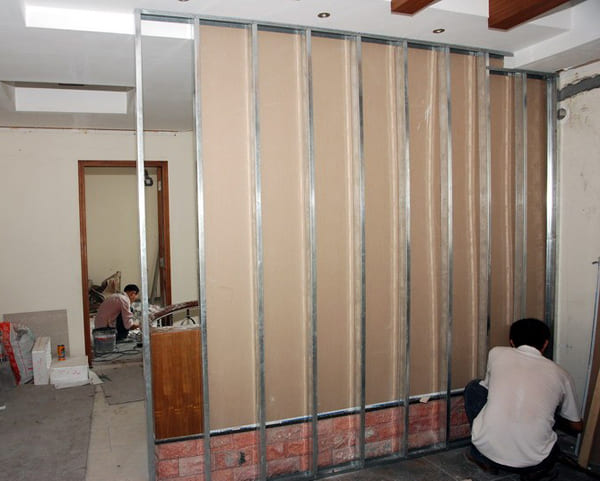
I learned this trick watching an old foreman on a site in Hubei. He tapped each wall and listened closely. A hollow thud often meant plasterboard with a timber or metal frame behind it. Solid plaster was heavier and more resistant to knocks. If you make a small inspection hole, you will see a white gypsum core with paper on both sides in plasterboard. Brick will have a dull, rock-like surface. Concrete will be even harder. This matters not just for curiosity—knowing wall type helps inform your choice of fixings, insulation, or even whether you can safely open that wall during renovations.
| Wall Type | Sound When Tapped | Surface Feel | Common Clues |
|---|---|---|---|
| Plasterboard | Hollow, soft tap | Paper-faced, can dent | White gypsum core inside |
| Solid Plaster | Solid dull thud | Hard, heavy | No visible seam lines |
| Brick | Very solid thud | Rough or painted | May see mortar joints |
| Concrete | Sharp solid thud | Very hard, cold feel | Often structural walls |
Simple checks like this can save you from drilling into electrical cables or choosing the wrong wall anchors.
Conclusion
Drywall and plasterboard are the same product, but names, uses, and identification tips vary worldwide—and knowing these small differences can save time, money, and trouble.
