




What Is the Noise Reduction Coefficient of Gypsum Board?
The noise reduction coefficient (NRC) of standard gypsum board usually ranges between 0.3 and 0.5. It measures sound absorption, not sound blocking—which is expressed through the STC rating instead.
TRUSUS acoustic insight: NRC is about how sound dies inside a surface, not how it stops at the wall.
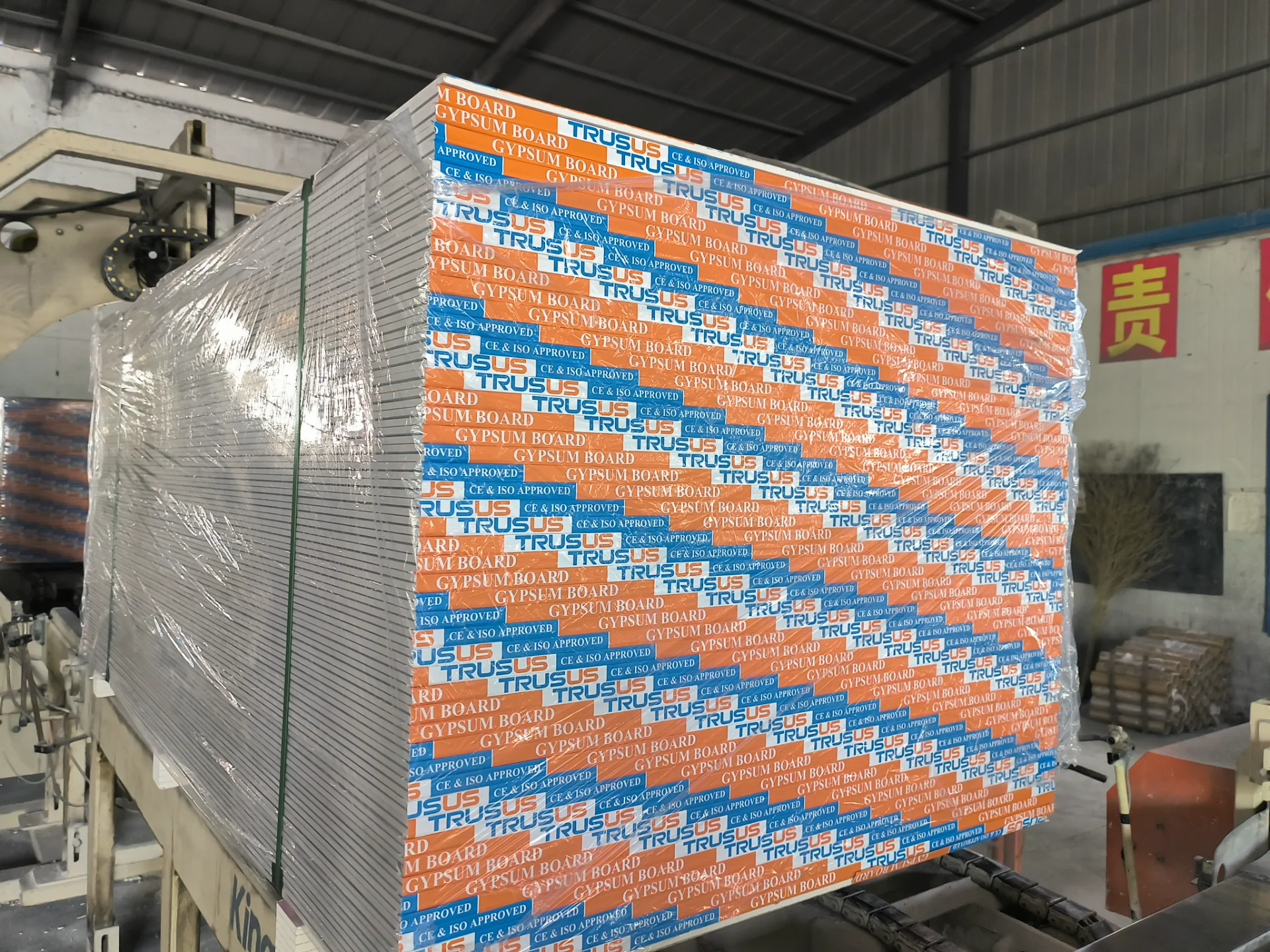
NRC captures how much echo or reverberation the board surface can absorb. It helps balance room acoustics, while wall isolation still relies on framing, cavities, and insulation designs.
How to Make Drywall More Soundproof?
To make drywall more soundproof, use double layers of gypsum board, insulation inside cavities, and acoustic sealant at every joint. Soundproofing works through a combination of mass, damping, and airtightness.
TRUSUS design insight: silence grows from systems, not magic panels.
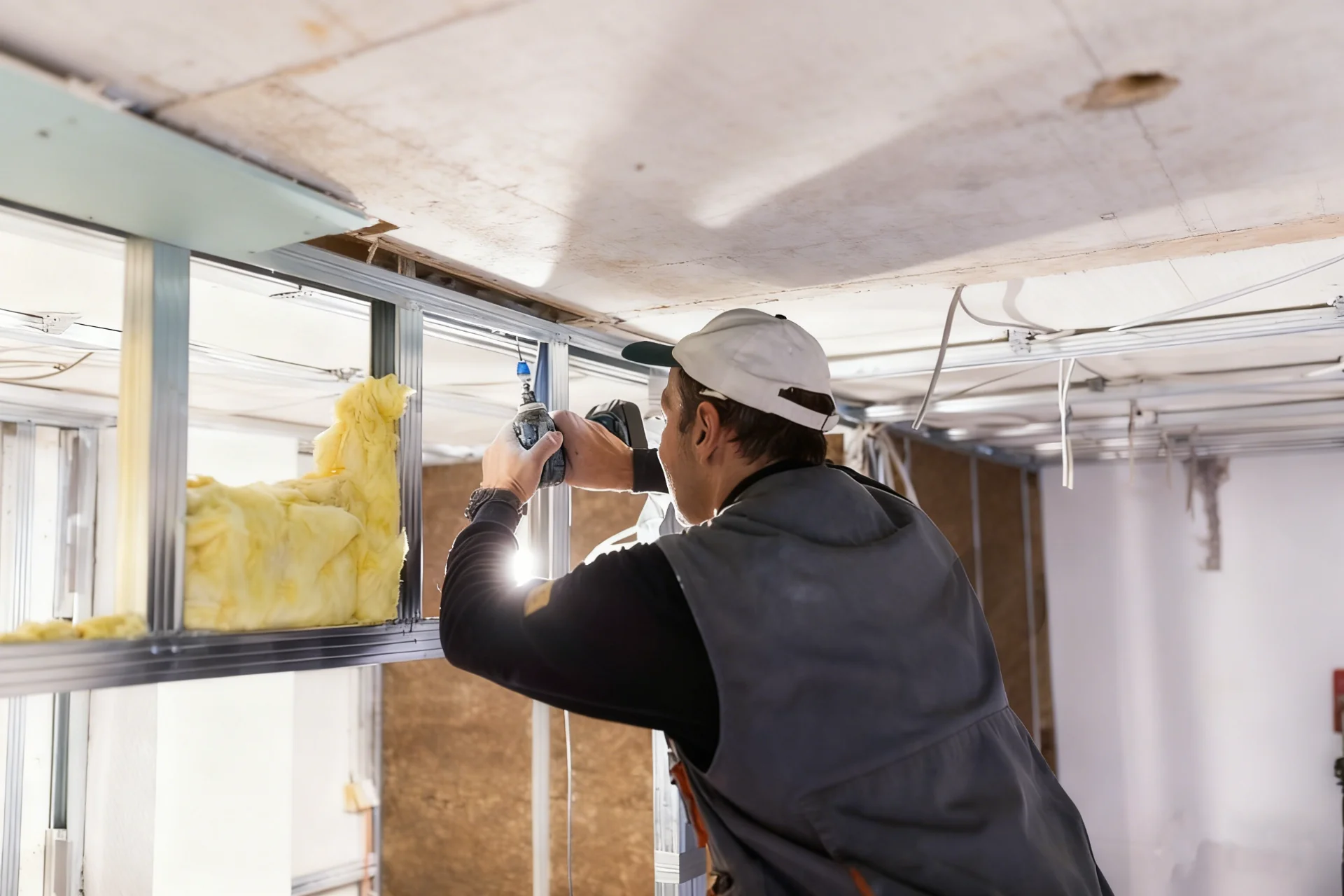
XSoundproof Wall Strategies
| Step | Method | Effect |
|---|---|---|
| 1 | Add double board layers | Increases wall mass and density |
| 2 | Use rock wool or glass wool | Reduces sound transmission in cavity |
| 3 | Apply acoustic sealant | Blocks flanking noise through joints |
| 4 | Decouple studs or channels | Breaks sound bridges between surfaces |
| 5 | Seal sockets and gaps | Prevents vibration leaks |
In practice, I find the turning point always comes from precision sealing. Even the best boards lose meaning if air gaps break the system’s closed loop.
Can You Soundproof a Partition Wall?
Yes, a partition wall can be soundproofed by building a complete acoustic system rather than changing one part of it. Balance comes from layers, materials, and frame isolation working together.
TRUSUS system insight: a quiet wall lives in the invisible air gap, not the visible surface.
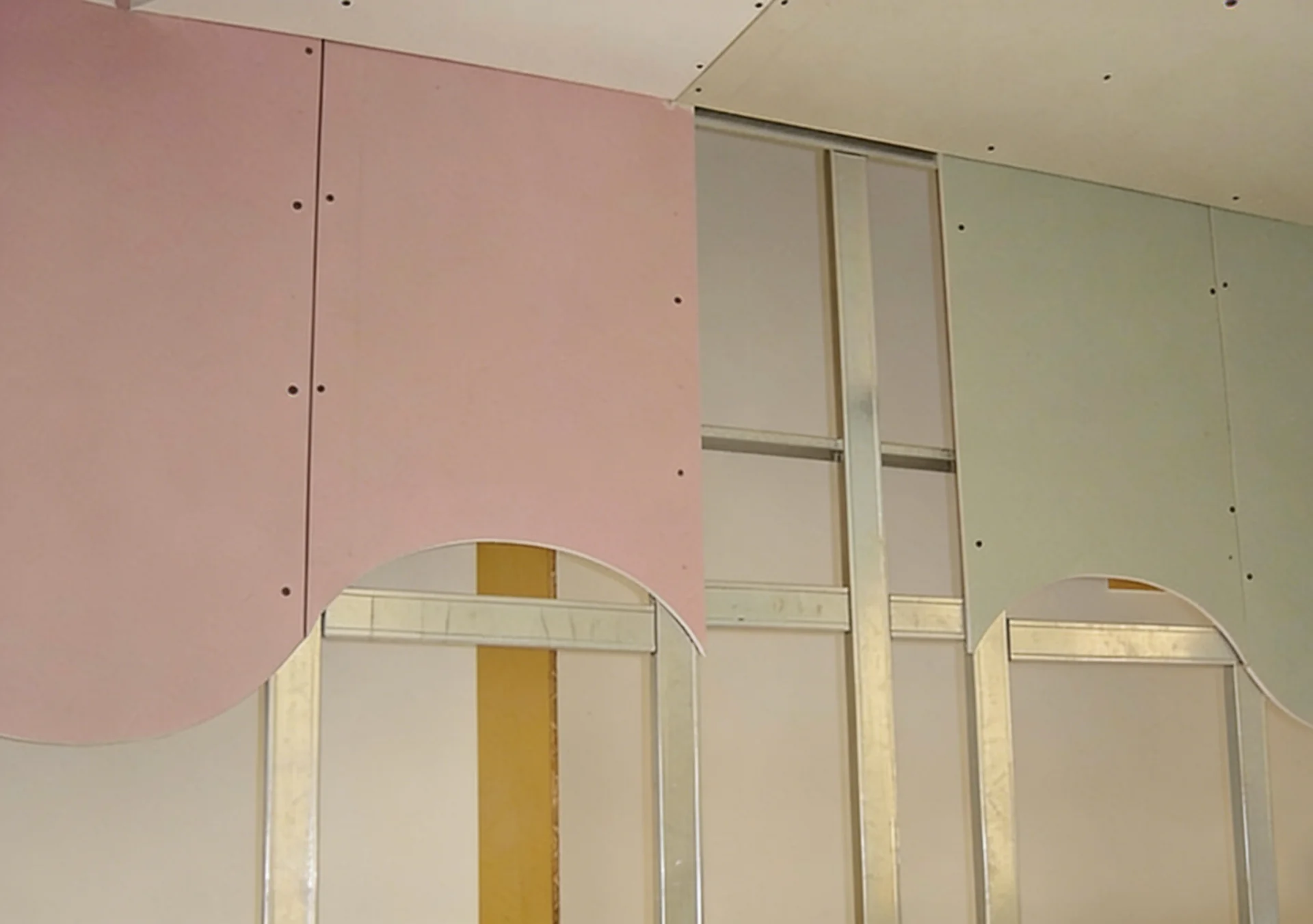
Partition Soundproofing Model
| Component | Description | System Role |
|---|---|---|
| Stud Frame | Steel or wood skeleton | Structural base |
| Insulation Layer | Rock wool or acoustic foam | Sound damping between boards |
| Gypsum Board | Single or multi‑layer | Mass barrier |
| Sealant & Tape | High‑density acoustic sealing | Edge closure |
| Finishing Layer | Paint, fabric, or panel | Aesthetic & acoustic control |
When I inspect poorly performing partitions, the issue is rarely the gypsum itself. It’s usually the joint, socket, or frame connection that defeated the acoustic barrier.
What Are Common Soundproofing Mistakes?
Common soundproofing mistakes include mixing absorption and isolation, ignoring air gaps, omitting sealant, and using solid coupling between layers. They all create “sound bridges” that leak noise through structure and air.
TRUSUS field insight: most noise does not pass through the wall—it sneaks around it.
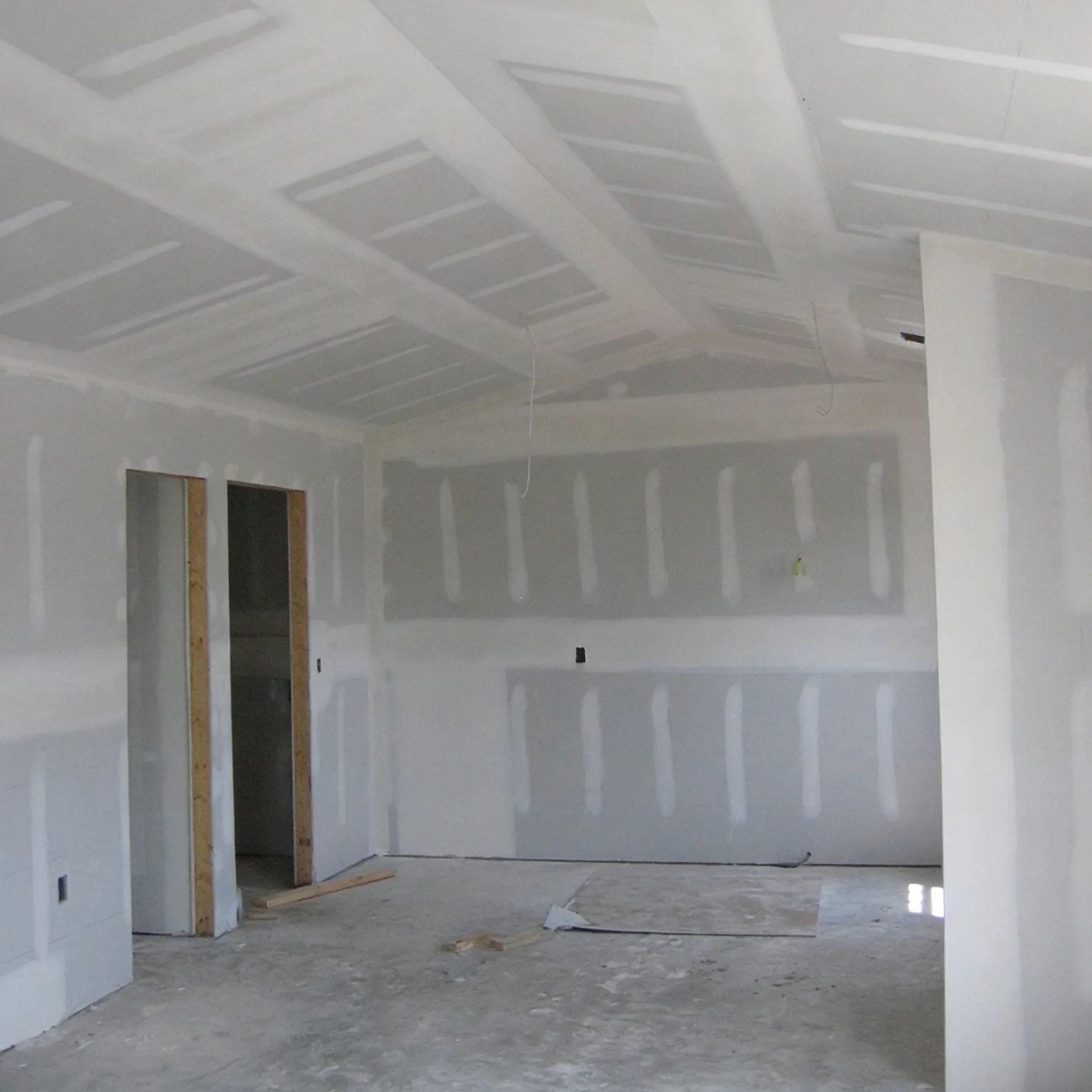
Soundproofing Mistake Map
| Mistake | Result | Prevention |
|---|---|---|
| Confusing NRC with STC | Weak overall sound control | Match materials to exact acoustic goal |
| Rigid board connections | Transfers vibration | Use resilient channels |
| Ignoring electrical boxes | Creates sound leaks | Seal all openings |
| No overlap in joints | Straight sound paths | Stagger seams |
| Too much focus on thickness | Adds mass, not isolation | Design whole system balance |
I always remind clients that adding more board is like shouting louder to cover noise—it’s effort wasted without system planning.
Conclusion
At TRUSUS, I see soundproofing not as a single product feature but as environmental design. True silence begins when the system, the structure, and the air all agree to stay still together.
