




What Makes Gypsum Valuable?
Gypsum may look ordinary, but its unique properties make it essential in many industries.
Gypsum is valuable because it can be dehydrated into a powder with heat, then rehydrated to harden again. This reversible property makes it ideal for construction, fire protection, art, and even medical uses.
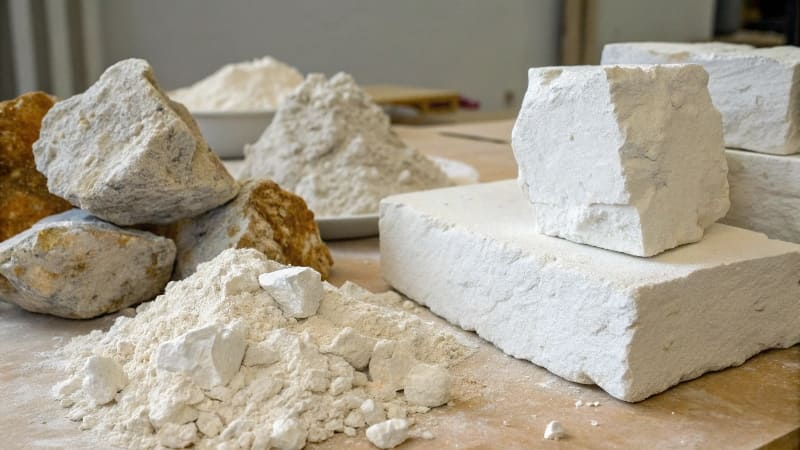
Gypsum has a special thermal reaction that sets it apart from most building materials. When heated, it releases water vapor, which slows the spread of fire. Few materials match this feature. This is why gypsum boards are seen as an important part of modern, fire-safe buildings.
Why Is Drywall So Expensive Now?
Many builders and contractors have felt the pinch of soaring drywall prices since 2020.
Drywall prices have risen mainly due to higher transportation costs, labor shortages in factories, and increased demand from the booming construction market, not because gypsum sources have run out.
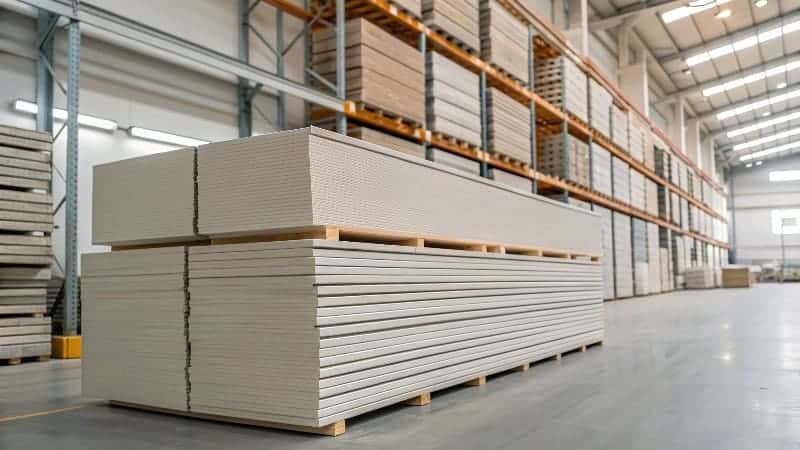
I have seen this change firsthand. During the pandemic, costs climbed sharply. Shipping rates went up. Skilled workers were hard to find. Construction projects surged in both residential and commercial sectors. All of these added pressure to the market. Even small delays made things worse. When production slowed down at just one of my suppliers, prices shot up.
Breaking Down the Price Increase Factors
| Factor | Explanation |
|---|---|
| Transportation Costs | Fuel price hikes and shortage of drivers raised freight charges sharply. |
| Labor Shortages | Pandemic health measures and wage increases made skilled labor harder to secure. |
| Demand Spike | More building projects created fierce competition for supply. |
| Supply Delays | Temporary factory shutdowns or maintenance slowed production and created gaps in the market. |
From my experience, stable pricing needs a steady supply chain. Without it, each disruption multiplies costs quickly. This is not just about raw material prices but about the flow of goods.
Is There a Gypsum Shortage?
Some people wonder if high gypsum prices mean the supply is running out.
There is no global gypsum shortage, but high-grade deposits are limited, and industrial byproduct gypsum from coal plants is decreasing. Transportation limits supply reach.
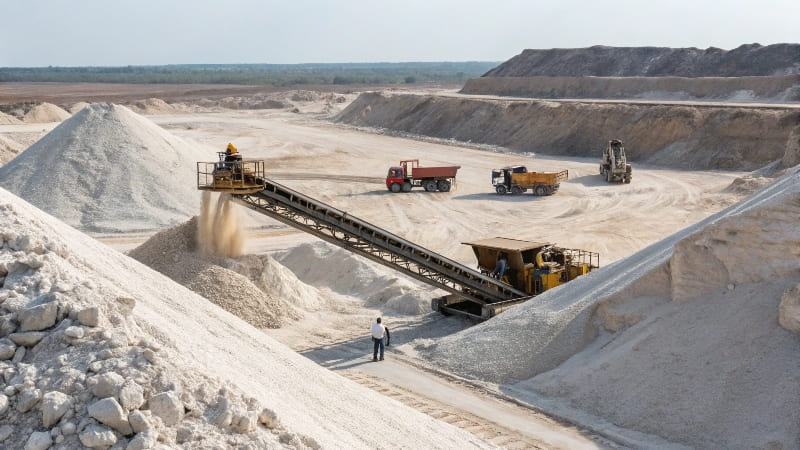
Gypsum supply is more about quality and logistics than actual quantity. For years, much of our gypsum came from flue gas desulfurization (FGD) at coal power plants. As countries close coal plants, this source falls. Natural gypsum remains abundant, but the best quality deposits are harder to find. And gypsum’s density makes long-distance shipping costly, so supply is mostly regional.
Gypsum Sourcing Challenges
| Source Type | Pros | Cons |
|---|---|---|
| Natural Gypsum | Widely available, stable composition | High-quality ore less common, transport cost high if far from site |
| FGD Gypsum | Sustainable, by-product of coal plant pollution control | Declining as coal plants close |
| Imported Gypsum | Can fill supply gaps | Long lead times, higher logistics costs |
Last year, when one supplier shut down for environmental compliance, my costs doubled. I had to buy from farther sources, and transport costs nearly matched the material price. That experience changed how I plan purchases.
What Is Special About Gypsum?
This is where most people misunderstand the material.
Gypsum is special because it can be recycled infinitely through heating and rehydration, making it sustainable. Its heat resistance and fire safety performance are unmatched among common building materials.
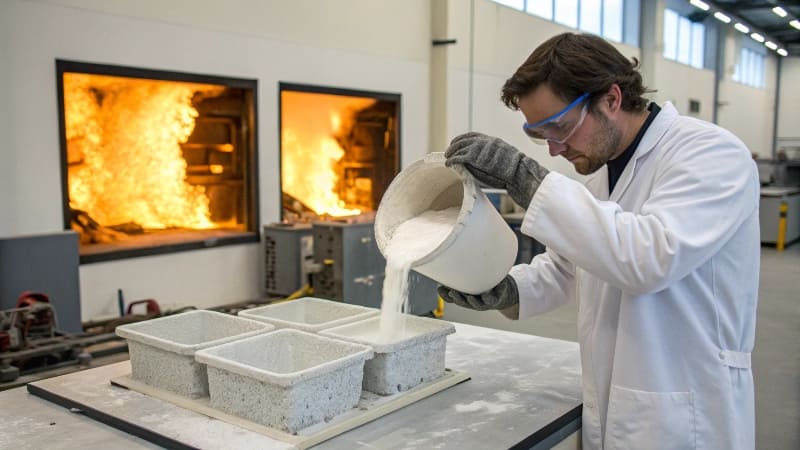
Its hydrate-to-dehydrate cycle is not just handy for making boards. It means gypsum waste from construction can be reused with little quality loss. In fire situations, it releases water vapor, which delays structural damage. This quality often makes the difference in evacuation safety during building fires.
Gypsum's Unique Qualities in Different Sectors
| Sector | Role of Gypsum |
|---|---|
| Construction | Core of drywall, plaster, and acoustic panels |
| Fire Protection | Panel water release delays flame spread |
| Medical | Used in casts and molds for orthopedic treatment |
| Art & Sculpture | Used for detailed molds due to fine texture and quick setting |
In my factory experience, gypsum’s behavior under heat and water cycles is why it will remain a vital raw material for years. In a time when sustainable and green materials are in demand, its recyclability makes it even more attractive.
Conclusion
Gypsum’s value lies in its unique chemical nature, its fire safety role, and its growing importance in a sustainable building future.
